
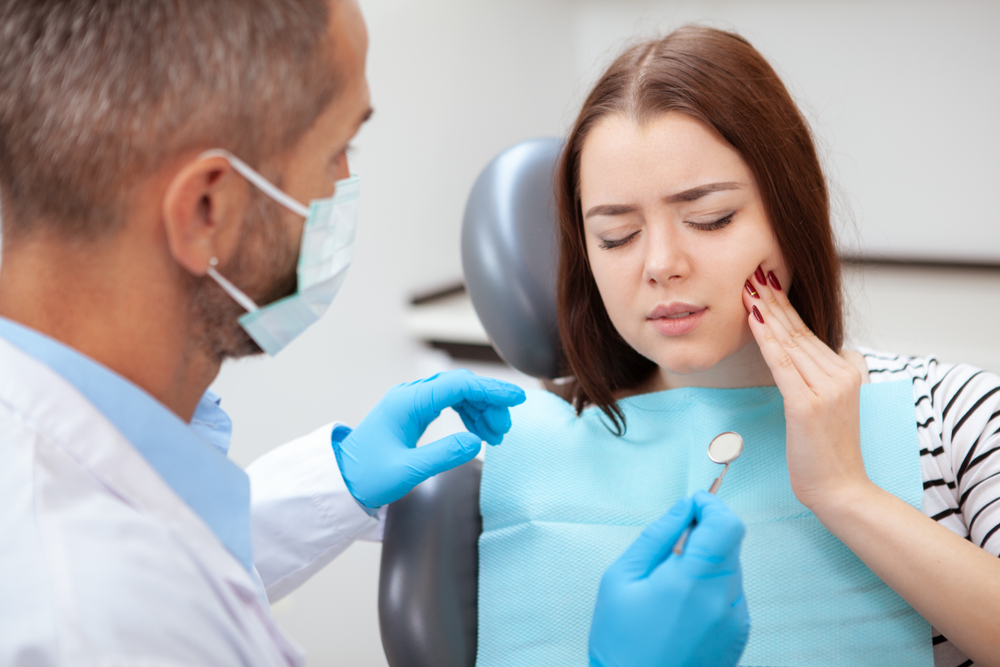
What to do during a sudden dental emergency? Suffering from a toothache, broken tooth, or mouth injury can be quite stressful. See a dentist as soon as possible to prevent damage. Although seeing a dentist in Rutland, Kelowna, is the safest step, it’s also essential to know some basic first aid at home in the initial few minutes.
This guide explains the types of dental emergencies, how to manage them at home, and when to seek urgent dental care, all in clear and simple terms.
What Is Considered a Dental Emergency?
A dental emergency is any problem involving your teeth, gums, or mouth that needs quick attention. Some issues are painful but not urgent, while others can lead to infection or tooth loss if ignored.
Common signs of an emergency include:
- Strong tooth pain that does not go away
- Bleeding from the mouth that won’t stop
- A loose, broken, or knocked-out tooth
- Swelling in the face or jaw
Understanding what to do during a dental emergency helps you act with confidence instead of panic.
What Are the Most Common Types of Dental Emergencies?
Knowing the most frequent problems makes it easier to respond correctly. These are the most common types of dental emergencies people experience.
- Severe toothache: A strong toothache can mean decay, infection, or nerve damage. Pain that lasts for hours or worsens over time should never be ignored.
- Broken or chipped tooth: Cracks or breaks can happen from falls, sports injuries, or biting hard foods. Even small breaks can expose the inner tooth.
- Knocked-out tooth: This is one of the most serious dental emergencies. Acting fast improves the chance of saving the tooth.
- Lost filling or crown: When a filling or crown falls out, the tooth underneath becomes weak and sensitive.
- Gum or jaw swelling: Swelling may be a sign of infection and can spread if not treated quickly.
What to Do During a Dental Emergency at Home
Before reaching a dental clinic near you, simple first-aid steps can help control pain and prevent further damage.
Emergency Dental First Aid Steps You Can Take
- Rinse your mouth gently with warm water.
- Use a cold pack on the outside of your face to reduce swelling.
- Avoid chewing on the affected side.
- Save any broken tooth pieces if possible.
- Take pain relief medicine only as directed.
These emergency dental first aid steps are helpful, but they do not replace professional care.
How to Handle a Knocked-Out Tooth
A knocked-out tooth needs immediate action. Time is critical.
Steps to follow:
- Pick up the tooth by the top, not the root.
- Rinse gently with water if dirty.
- Try to place it back into the socket.
- If not, keep it in milk or saliva.
- Visit an emergency dentist near you right away.
Fast action greatly improves the chance of saving the tooth.
What Should You Do for a Broken or Cracked Tooth?
A broken tooth may look small, but it can cause bigger problems later.
Here’s what to do:
- Rinse with warm water.
- Apply a cold compress.
- Avoid hot or hard foods.
- Do not touch sharp edges.
Seeing an emergency dentist in Rutland, Kelowna, quickly helps protect the tooth and reduce pain.
When Should You Seek Urgent Dental Care?
Not every dental problem is urgent, but some should never wait. Knowing when to seek urgent dental care can protect your health.
You should seek help immediately if:
- Pain is severe or spreading.
- Swelling affects your face or jaw.
- A tooth is loose or knocked out.
- There is ongoing bleeding.
- You have signs of infection, such as fever.
Delaying care can lead to infection, tooth loss, or more complex treatment later.
How Can You Prevent Dental Emergencies?
While not all emergencies can be avoided, some simple habits lower the risk:
- Wear a mouthguard during sports.
- Avoid chewing ice or very hard foods.
- Brush and floss daily
- Visit your dentist regularly.
Prevention reduces the chances of facing sudden pain or injury.
Get Help When It Matters Most!
Worried about a dental emergency? Acting quickly and staying calm can help a lot. Doing simple first aid and seeing a dentist fast protects your teeth and reduces pain. If you or someone you care for has a dental emergency, Contact Acorn Dental & Implant Centre right away for fast help, clear advice, and support when you need it most.
FAQs
- Can I wait if the pain goes away?
No. Even if the pain lessens, the problem can still be serious. Infections, cracks, or loose fillings can get worse quickly. See a dentist as soon as possible.
- Are dental emergencies always painful?
Not always. Early infections or small fractures may cause little or no pain. Waiting can make the problem worse and require more complex treatment.
- Can I fix a broken tooth at home?
No. Rinsing or protecting the tooth helps temporarily, but only a dentist can properly repair it, and prevent infection or further damage.
- Is swelling always a sign of infection?
Often, yes. Swelling usually means inflammation and may signal an infection. If it worsens or comes with pain or fever, see a dentist immediately.