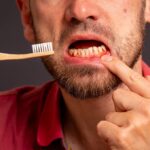

Teeth grinding, also called bruxism, is a common habit that many people do without noticing. It often occurs during sleep or under stress. While it may seem harmless at first, grinding can slowly harm your teeth and jaw. A dentist in Kelowna usually sees patients who are surprised to learn that ongoing grinding is the cause of their pain or dental damage. Understanding what happens over time can help you protect your smile early.
What is Teeth Grinding and Why Does It Happen?
Teeth grinding is when you clench or rub your teeth together repeatedly. It can happen during the day or at night.
Common reasons include:
- Stress or anxiety.
- Sleep problems.
- Bite issues where teeth do not line up nicely.
- Missing or worn teeth.
- Certain lifestyle habits, such as high caffeine intake.
Many people do not know they grind their teeth until damage or pain appears.
How Does Bruxism Damage Teeth Over Time?
Understanding how bruxism damages teeth over time makes it easier to see why early care matters. Grinding places intense pressure on teeth that they are not meant to handle for long periods.
Over time, this pressure can cause:
- Flattened or worn-down tooth surfaces.
- Small cracks that grow larger.
- Chipped or broken teeth.
- Tooth sensitivity to hot or cold.
- Damage to dental fillings or crowns.
Teeth do not repair themselves. Once enamel wears away, it does not grow back.
What are the Long-Term Effects on Oral Health?
The long-term effects of teeth grinding on oral health go beyond simple tooth wear. When grinding continues for years, it can affect many parts of the mouth.
These long-term effects may include:
- Increased risk of cavities due to weakened enamel.
- Gum irritation and recession.
- Tooth loss in severe cases.
- Ongoing mouth pain.
- Changes in bite alignment.
These issues can make eating, speaking, and smiling less comfortable over time.
How Does Teeth Grinding Affect the Jaw and TMJ?
The effects of teeth grinding on the jaw and TMJ can be severe. The jaw joint, also called the TMJ, controls opening and closing your mouth.
Grinding puts stress on this joint, which may lead to:
- Jaw pain or soreness.
- Clicking or popping sounds.
- Headaches near the temples.
- Limited mouth opening.
- Facial muscle fatigue.
Jaw problems often start small but can grow worse if grinding is ignored.
What are the Signs and Complications of Chronic Teeth Grinding?
The signs and complications of chronic teeth grinding are not always evident at first. Some signs appear slowly and are easy to dismiss.
Watch for:
- Morning headaches.
- Tight or tired jaw muscles.
- Tooth pain without cavities.
- Worn edges on teeth.
- Neck or shoulder tension.
If left untreated, these signs can turn into lasting dental and jaw problems.
Who is at Risk of Long-Term Damage?
Anyone can grind their teeth, but some people face a higher risk.
Higher risk groups include:
- People with high stress levels.
- Those with sleep disorders.
- Children and teens are in growth stages.
- Adults with missing teeth.
- People who clench during the day.
A dentist near you can help identify early signs before damage becomes severe.
How Can Teeth Grinding Be Managed Early?
Early care focuses on protecting teeth and reducing pressure on the jaw. One common approach is using mouth guards in Rutland, Kelowna, which help create a barrier between teeth during sleep.
Other helpful steps include:
- Stress management techniques.
- Improving sleep habits.
- Correcting bite issues.
- Routine dental check-ups.
Early treatment of grinding can help alleviate pain and prevent future damage.
Why Regular Dental Visits Are Important
Visiting the dentist can help identify grinding before the pain even occurs. A dentist can identify wear, which may not be noticeable to the patient. Early treatment can save the tooth and prevent complicated procedures down the line.
Routine visits are essential for:
Detecting wear on the enamel early.
- Jaw joint evaluation
- Bite balance checks
- Long-term oral comfort
Consistent care plays a key role in protecting your smile.
How Can You Protect Your Smile Long Term?
Protecting your smile means paying attention to minor signs and acting early.
Good habits to adopt include:
- Noticing any pain in your jaw or teeth.
- Avoid the habit of crunching ice or hard foods.
- Managing your stress levels.
- Adhering to dental care tips.
Small habits today will help avoid big problems tomorrow.
Your Path to a Healthier Smile with Acorn Dental & Implant Center
Teeth grinding does not have to affect your daily comfort or confidence. With the proper support and preventive care, long-term damage can be limited. At Acorn Dental & Implant Center, patients receive advice and solutions to protect their oral health. If you are experiencing jaw tension or tooth wear, contact us today and take a positive step towards a lifetime of comfort.