
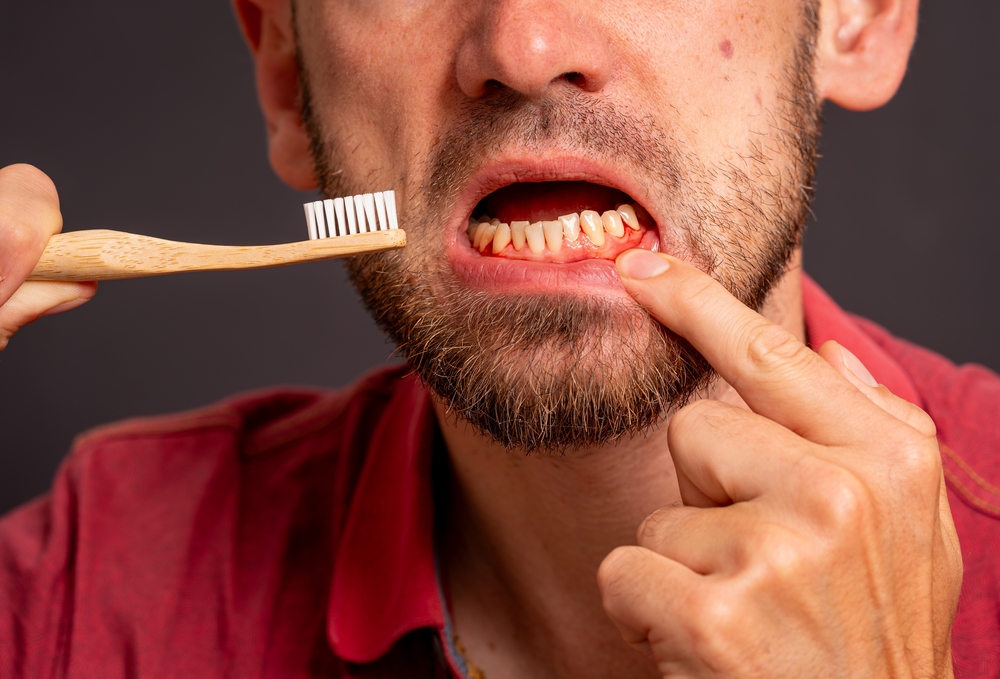
Noticing blood when you brush can be unsettling. It might happen once and go away. Or it might keep showing up every few days. Either way, it is not something to ignore. Bleeding gums are often a sign that your mouth needs attention. Sometimes the reason is simple. Other times, it can point to a deeper issue that requires treatment. If you are unsure, visiting a dentist in Rutland can help you understand what is really going on.
There are several common causes of bleeding gums. Let’s look at them one by one and talk about what you can do next.
1. You Are Brushing Too Hard
One of the most common reasons for gum bleeding during brushing is using too much force. Your gums are delicate. Brushing hard or using a firm toothbrush can cause irritation and small injuries.
What to do
- Use a soft-bristle toothbrush
- Brush gently in small circular motions
- Avoid pressing down on the gums
2. Flossing After a Long Break
If you start flossing after not doing it for a while, bleeding can happen. This usually means your gums are inflamed due to plaque buildup. This gets improved with consistent care.
What to do
- Floss gently once a day
- Stay consistent
- Watch if the bleeding reduces over time
If it does not improve, it could be an early sign of gum disease.
3. Plaque and Tartar Buildup
Plaque forms on your teeth every day. If it is not removed, it hardens into tartar. Tartar irritates the gum line and leads to inflammation. This is one of the main reasons why gums bleed.
What to do
- Schedule a professional cleaning
- Brush and floss daily
- Keep up with regular dental visits
4. Gingivitis
Gingivitis is an early stage of gum disease. It causes swelling, redness, and bleeding. Many people do not feel pain at this stage, so they delay care. But these are clear early signs of gum disease that should not be ignored.
What to do
- Book a dental checkup
- Improve daily oral hygiene
- Follow your dentist’s advice
5. Hormonal Changes
Hormonal changes during pregnancy, menstruation, or menopause can make gums more sensitive. As a result, your gums may bleed even when you brush gently.
What you can do
- Keep brushing and flossing every day
- Talk to your dentist about any changes in your oral health
- Do not skip your regular cleanings
6. Vitamin Deficiency
If your body lacks essential vitamins, your gums can become weak. Weak gums may bleed more easily, even with light brushing.
What you can do
- Try to eat a balanced diet
- Add more fruits and vegetables to your meals
- Talk to a doctor if you think you may have a deficiency
7. Smoking or Tobacco Use
Tobacco harms your gums and slows down healing. At first, you may not notice any clear signs. But over time, it raises the risk of severe gum problems.
What you can do
- Try to cut down or stop using tobacco.
- Go for regular dental checkups.
- Pay attention to any changes in your gums.
8. Ill-Fitting Dentures
Dentures that do not fit well can rub against your gums. This can cause soreness, redness, or even bleeding. If you notice bleeding while wearing dentures, visit a denture clinic near you. A slight adjustment can make them feel much more comfortable.
What you can do
- Get your dentures checked from time to time
- Make sure they fit properly
- Visit your dentist if you feel pain or irritation
Specific Ways To Stop Bleeding Gums Naturally
For mild cases, you can try simple steps at home.
- Rinse with warm salt water
- Clean your teeth twice daily
- Floss carefully
- Make sure to use an antibacterial mouthwash.
If the bleeding continues despite these efforts, professional care is essential.
Your Smile Deserves Care
If you have noticed changes in your gums, it is worth getting them checked. Early care can prevent bigger problems later. Book a visit with Acorn Dental. We’re ready to help you feel comfortable and confident about your oral health.
Frequently Asked Questions
- Are bleeding gums always a sign of gum disease?
Not always. There are different causes of bleeding gums, including brushing habits and vitamin deficiencies. A dental exam helps confirm the cause. - How do I know if it is gum disease?
Swelling, redness, bad breath, and tenderness, along with bleeding, are common early signs of gum disease. - Can stress cause bleeding gums?
Stress can affect your immune system, making it harder for your body to fight gum inflammation. - How to stop bleeding gums naturally at home?
Gentle brushing, daily flossing, and saltwater rinses can help in mild cases. If symptoms continue, you should see a dental professional.