
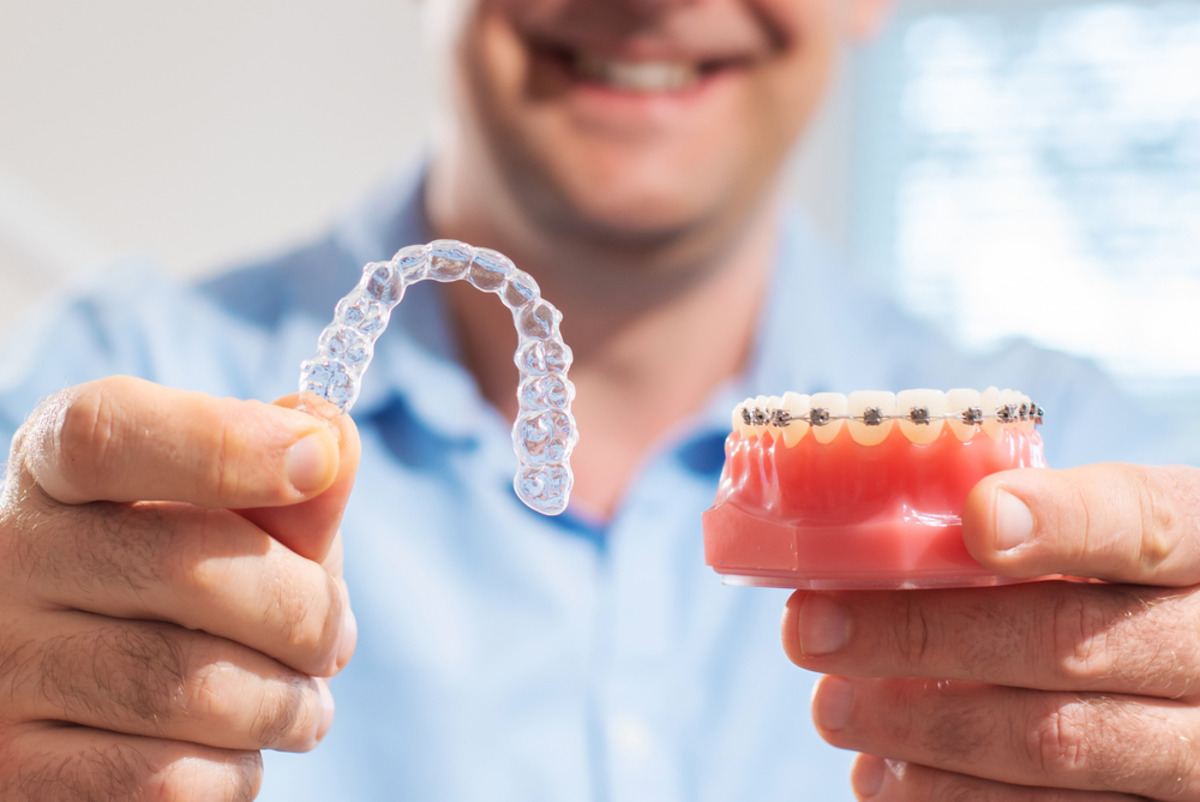
If you’re thinking about straightening your teeth, you may be wondering whether braces or clear aligners would suit you better. Both can improve tooth alignment, but the experience with each treatment is different. A dentist in Rutland can examine your teeth and bite, listen to what you want from treatment, and help you understand which option may work best for your smile.
How Do Traditional Braces Work?
Traditional braces use brackets attached to the teeth and wires that gradually guide them into new positions. The wires are adjusted throughout treatment to keep the teeth moving as planned.
Braces remain attached to your teeth during treatment, so you do not have to remember to put them back in after meals. They may be recommended for different orthodontic concerns, depending on the complexity of tooth movement required.
If you are considering dental braces in Rutland, an orthodontic assessment can help determine whether they are appropriate for your smile.
What Are Clear Aligners?
Clear aligners use a series of custom-made, removable trays to move your teeth gradually. Each set is worn for a specific period before moving on to the next one in the treatment plan.
Because the trays are clear, they are less noticeable than traditional braces. They can also be removed while eating, brushing, and flossing.
However, clear aligners require commitment. They need to be worn for the recommended number of hours each day for treatment to progress as planned.
Braces vs. Clear Aligners: What’s the Difference?
Both treatments aim to improve tooth alignment, but your experience may differ.
| Feature | Traditional Braces | Clear Aligners |
| Appearance | Brackets and wires are visible | Clear trays are less noticeable |
| Removable | Stay attached to the teeth | Can be removed when needed |
| Eating | Some foods may need to be avoided | Removed before eating |
| Cleaning | Requires extra care around brackets and wires | Removed for regular brushing and flossing |
| Daily Use | Work continuously without patient removal | Must be worn as instructed each day |
| Treatment | Can manage many alignment concerns | Suitable for certain alignment and bite concerns |
| Maintenance | Regular adjustments are required | Trays are changed according to the treatment plan |
A dentist near you can assess your bite and tooth alignment before discussing whether clear aligners could work for you.
Which Option Is Easier to Care For?
Clear aligners can be removed for brushing and flossing, allowing you to follow your usual cleaning routine. The trays themselves also need regular cleaning.
Braces require a little more attention because food and plaque can collect around brackets and wires. Careful brushing and cleaning between the teeth are important throughout treatment.
Patients looking for dental braces near you should ask about daily care before starting treatment so they know what to expect.
How Do You Choose Between Braces and Clear Aligners?
There is no single option that works best for everyone. Your choice may depend on your tooth alignment, bite, lifestyle, treatment goals, and ability to follow daily instructions.
Before making a decision, consider:
- How complex your orthodontic needs are
- Whether you prefer a removable treatment
- How comfortable you are with visible braces
- Whether you can consistently wear aligners
- Your expected treatment plan and follow-up visits
A dental examination can give you a clearer understanding of your options and what may work for your smile.
Find the Right Fit for Your Smile
Choosing orthodontic treatment is a personal decision, and understanding your options can make the process much easier. At Acorn Dental & Implant Center, our team takes the time to understand your smile goals and discuss suitable treatment options. Contact us today to schedule a consultation and take the next step toward a straighter, healthier smile.
Frequently Asked Questions
1. Are clear aligners better than traditional braces?
Neither is always better; the right choice depends on your alignment needs, lifestyle, and treatment goals.
2. Can I remove clear aligners while eating?
Yes. Clear aligners are removed during meals and should be replaced after cleaning your teeth.
3. Are braces suitable for complicated tooth movements?
Braces can address many orthodontic concerns, but suitability depends on your individual teeth and bite alignment.
4. How often should clear aligners be worn?
Aligners are generally worn most of the day, following the specific instructions provided by your provider.
5. Is cleaning teeth harder with braces?
Braces require extra attention when brushing and flossing because food can collect around brackets and wires.
6. How do I know which treatment I need?
A dental assessment can evaluate your teeth and bite before suitable orthodontic options are recommended.