If you snore loudly, wake up feeling exhausted, or have been told that you stop breathing during sleep, it may be worth finding out why. Obstructive sleep apnea can repeatedly interrupt breathing throughout the night, sometimes without you realizing it. A dental clinic in Rutland may be involved in providing an oral appliance when this type of treatment has been recommended as part of your sleep apnea care.
What Is Obstructive Sleep Apnea?
Obstructive sleep apnea occurs when the upper airway repeatedly becomes narrowed or blocked during sleep. When breathing is interrupted, your brain briefly wakes you enough to reopen the airway. These awakenings can be so short that you do not remember them the next morning.
What usually happens is that you have poor-quality sleep even if you spend enough hours in bed. Some people feel sleepy during the day, have difficulty focusing, get headaches in the morning, or feel irritable. Loud snoring and gasping during sleep can also happen, although snoring alone is not an indication of sleep apnea.
A sleep apnea appliance in Rutland may be an option for some people with obstructive sleep apnea, but proper diagnosis should come first. A dental appliance should not be used as a substitute for having unexplained sleep symptoms appropriately evaluated.
How Does a Sleep Apnea Appliance Work?
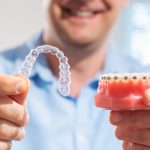
An oral appliance is worn inside your mouth while you sleep. Many appliances used for obstructive sleep apnea are designed to hold the lower jaw in a slightly forward position.
Moving the jaw forward can also help bring the tongue and the soft tissues around to the front, creating more room for the airway. The goal is to reduce the chances of the airway narrowing or collapsing while you sleep.
The appliance may look somewhat like a mouthguard, but the two serve different purposes. A regular sports mouthguard protects your teeth from injury, while a sleep apnea appliance is specifically designed and adjusted to influence jaw position during sleep.
Who Might Benefit From an Oral Appliance?
Not everyone with sleep apnea needs the same treatment. The type and severity of the condition, your anatomy, other health considerations, and your ability to tolerate different treatments all matter.
An oral appliance may be considered for certain people with obstructive sleep apnea, particularly when recommended by a physician or sleep specialist. It may also be discussed when someone cannot tolerate continuous positive airway pressure (CPAP) therapy or prefers an alternative when clinically appropriate.
Those of you searching for a sleep apnea appliance near you should expect your suitability to be assessed rather than assuming the device is appropriate simply because you snore.
Why Is a Proper Diagnosis Important?
Snoring is one possible sign of sleep apnea, but it has other causes too. Buying a device because your partner says you snore does not tell you whether your breathing is actually stopping during the night.
A sleep assessment can help determine whether sleep apnea is present and how severe it is. Depending on your situation, this may involve consultation with a physician or sleep specialist and a sleep study.
Once you have a diagnosis, the appropriate treatment options can be discussed. CPAP remains an important treatment for many people, while oral appliance therapy may be suitable in particular circumstances.
What Happens Before You Receive an Appliance?
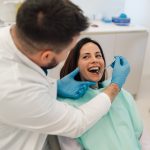
Your teeth, gums, jaw joints, bite, and overall oral health need to be evaluated before an appliance is made. Because the device places forces on the teeth and jaw while positioning the lower jaw forward, these structures need to be considered carefully.
When you visit a dental clinic near you for oral appliance therapy, your dentist may also ask about existing dental work, jaw discomfort, grinding or clenching, and any changes you have noticed in your bite.
Impressions or digital scans may be taken to create an appliance that fits your mouth. Once it is ready, adjustments may be made to find a position that is both tolerable and appropriate for your treatment plan.
What Is It Like to Sleep With One?
There is usually an adjustment period. At first, you may notice increased saliva, a dry mouth, tooth tenderness, or temporary stiffness in your jaw when you wake up.
The appliance may also feel bulky for the first few nights simply because you are not accustomed to sleeping with something in your mouth. Many people need time to build the device into their bedtime routine.
If discomfort persists, do not try to reshape or adjust the appliance yourself. Changes should be discussed with your dental provider so the fit and jaw position can be checked.
Does an Oral Appliance Cure Sleep Apnea?
An oral appliance is intended to help manage obstructive sleep apnea while it is being worn. It does not necessarily eliminate the underlying tendency for the airway to narrow during sleep.
That is why follow-up matters. Feeling less tired or hearing fewer complaints about snoring can be encouraging, but symptoms alone do not confirm that sleep apnea is adequately controlled.
Your health specialist may recommend follow-up sleep testing to see if the treatment is effective. The appliance itself also needs to be periodically assessed for fit, wear, and possible adjustments.
How Do You Look After the Appliance?
Your appliance spends several hours in your mouth each night, so regular cleaning is important. Follow the cleaning and storage instructions provided with your particular device rather than using very hot water or products that could damage it.
Your regular oral hygiene matters just as much. Brush and clean between your teeth before bedtime so food debris and plaque are not trapped against your teeth beneath the appliance overnight.
Bring the device to follow-up dental appointments when requested. This allows its condition and fit to be checked and gives you an opportunity to mention any changes in comfort.
Oral Appliances and CPAP Are Not the Same
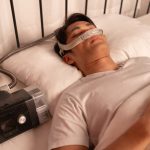
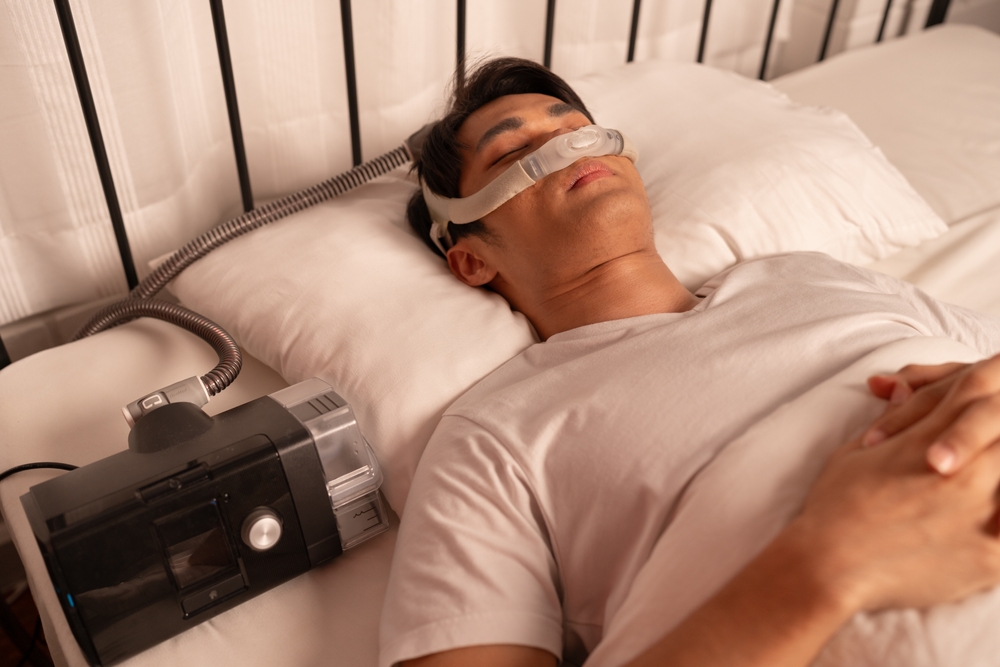
CPAP uses pressurized air delivered through a mask to help keep the airway open. An oral appliance works mechanically by changing the position of the lower jaw.
Some people find that having an oral appliance is easier, especially when traveling. Some also claim that this is more comfortable to wear. However, convenience alone should not be the basis for the treatment. The effectiveness can vary, depending on the patient and the severity of the problem.
If CPAP has already been prescribed, do not stop using it simply because you are interested in an oral appliance. Discuss the change with the healthcare professional managing your sleep apnea first.
Take Your Sleep Symptoms Seriously
Persistent snoring, daytime exhaustion, or interrupted breathing during sleep deserves proper attention. Once you understand what is causing your symptoms, you and your healthcare providers can discuss treatment options that are appropriate for your situation.
Contact Acorn Dental & Implant Center to schedule a consultation with us. We can assess your oral health, answer your questions about oral appliance therapy, and explain what may be involved if this approach is appropriate for you.