A click near your ear when you chew or open your mouth can be distracting. The right next step starts with finding its cause. You may wonder whether it is harmless or a sign that something needs attention. If you are looking for a dentist in Rutland, you may also be asking whether a night guard can stop the sound. That depends on the cause. Jaw clicking can involve the temporomandibular joint, while clenching and grinding put pressure on your teeth and jaw muscles. These problems can overlap, but they are not the same.
What Causes Jaw Clicking?
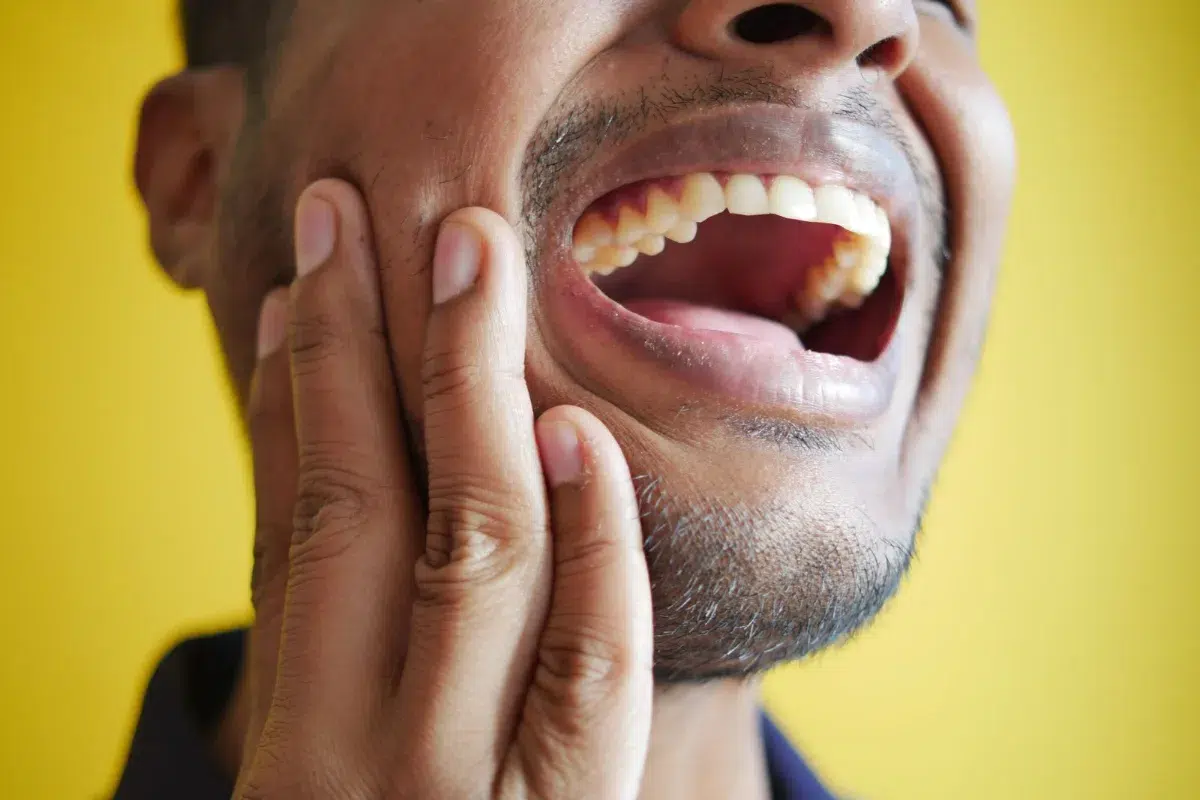
Your temporomandibular joints, or TMJs, sit just in front of your ears. They connect your lower jaw to your skull and help you chew, speak, and yawn. A click may occur as the joint moves when you open or close your mouth.
Painless clicking is common. Clicking with pain, stiffness, limited movement, or locking should be checked.
TMJ vs Bruxism: What Is the Difference?
TMJ is the name of the joint. TMD, or temporomandibular disorder, refers to problems affecting the joint or surrounding muscles. Bruxism means clenching or grinding your teeth during sleep or while awake.
You might wake up with a sore jaw and not think much of it. But if your teeth also look worn or a filling has chipped, grinding could be part of the problem. Jaw clicking is a separate symptom and may involve the joint itself. Understanding TMJ vs. bruxism helps your dentist determine whether the problem is related to grinding, the joint, or both.
Will a Night Guard Stop Jaw Clicking?
A night guard usually does not stop the joint movement responsible for the clicking. Its main purpose is to protect your teeth when you clench or grind.
A dentist may recommend one if you have tooth wear or damage to dental work. It can protect your teeth, but it is not a guaranteed treatment for jaw clicking or TMD pain. Evidence for splints in TMD care remains limited.
If you’re considering a night guard for jaw clicking in Kelowna, have the cause assessed first. A guard may be useful when grinding is also present, but it is not suitable for every clicking jaw.
Can a Custom Night Guard Help With Grinding?
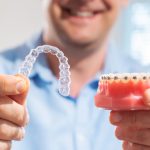
A night guard sits between your upper and lower teeth while you sleep. If you clench or grind, your teeth press against the guard instead of rubbing against each other.
For a custom night guard in Rutland, ask your dentist about fit and adjustments. A guard made by a dentist is shaped to fit your mouth, and your dentist can check its fit and adjust it if needed. Store-bought guards may fit less precisely.
A guard does not necessarily stop clenching or grinding. If it causes pain or changes how your teeth meet, stop wearing it and contact your dentist.
Jaw Pain When Waking Up: Could Grinding Be the Cause?
Do you wake up with a sore jaw? You may be clenching your teeth in your sleep, although that is not the only possible cause. Jaw pain when waking up can also occur with TMD or other dental problems. Teeth grinding is more likely if your dentist notices worn tooth surfaces or damage to existing fillings.
A dental exam can help identify the cause.
Clenching vs Grinding: What Is the Difference?
Clenching means pressing your teeth together without moving them. Grinding involves rubbing them against each other. You may clench while concentrating or feeling stressed without noticing. Grinding during sleep is harder to detect unless someone hears it or your dentist sees signs of wear.
When your jaw is relaxed, your teeth should be slightly apart.
What Can You Do About Jaw Clicking?
A painless click that does not affect jaw movement may not need treatment. If your jaw is sore, try softer foods, avoid chewing gum, and do not open your mouth too wide. A warm compress may help.
Jaw clicking that comes with pain or makes it hard to open your mouth deserves a dental check. If you’re looking for a dentist near you, describe when the clicking happens and whether your jaw feels stiff or gets stuck. A jaw that locks open or closed needs prompt attention.
You may wonder: does a night guard help TMJ? It depends on your symptoms and diagnosis.
Get Help for Jaw Clicking and Discomfort
Jaw clicking, teeth grinding, or frequent clenching can make everyday activities like eating and speaking uncomfortable. If you notice these signs, it is important to understand what may be causing them. Contact Acorn Dental & Implant Center to schedule an assessment. The dental team can check your teeth and jaw, look for signs of grinding, and explain whether a night guard or another treatment may help. Getting the right advice can help you manage your symptoms and protect your teeth.
FAQs
Can a night guard make jaw clicking worse?
If a guard causes pain or makes your jaw feel worse, stop wearing it and contact your dentist.
Should I wear a night guard if my jaw clicks but does not hurt?
Not necessarily. Painless clicking is common and may not need treatment. Ask your dentist if you are concerned.
Does teeth grinding always cause TMJ problems?
No. Grinding may add strain to the jaw, but it does not cause a jaw disorder in everyone.
When should I see a dentist about Jaw clicking?
See a dentist if clicking is painful or comes with locking or limited opening.