Regardless of the cause, severe decay, an unexpected fracture, or structural damage, losing a tooth can be devastating. In the past, replacing a tooth involved extracting it, waiting several months for the socket to heal, and then undergoing a second surgery to place a dental implant. An expedient alternative is now available through contemporary restorative dentistry, which involves placing an immediate implant after extraction.
You may be wondering if you qualify for same-day placement if you are discussing tooth replacement options with a dentist in Kelowna. Although it may seem convenient to combine implant placement and tooth extraction in one visit, this is not the best course of action for every patient. You can set reasonable expectations for your smile repair process by understanding how dentists assess your dental health.
What Is an Immediate Dental Implant?
A traditional implant timeline requires a healing period of three to six months between the extraction of a natural tooth and the placement of the titanium post. During this interval, bone tissue fills the empty socket.
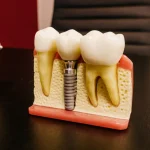
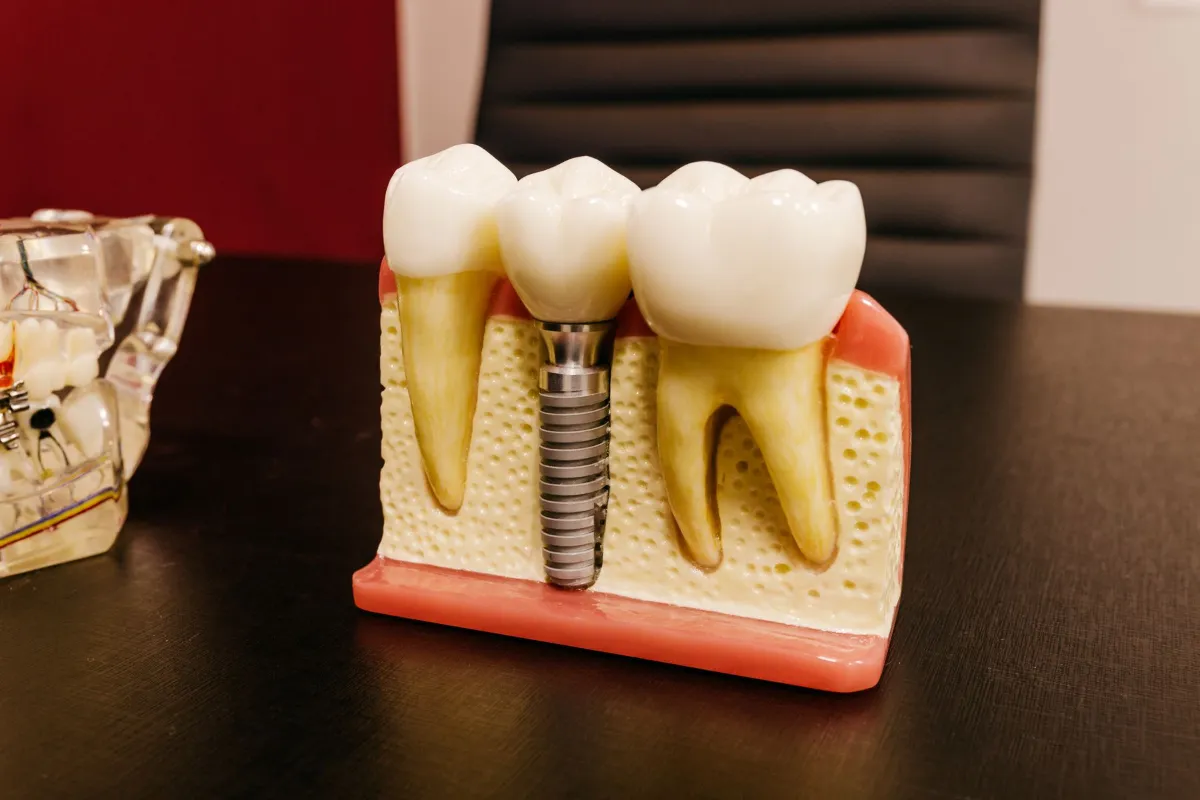
This waiting period is avoided with an immediate implant. In a single visit, your dentist gently extracts the damaged tooth and places the implant post straight into the newly created extraction socket.
Choosing dental implants in Kelowna with an immediate placement protocol offers several distinct benefits:
- Fewer Surgical Visits: The total operation time and the amount of local anaesthetic used are decreased when extraction and placement are combined into a single session.
- Preservation of Gum Tissue: Installing a post right away supports your gum line’s natural contours, creating a more seamless appearance.
- Minimized Bone Loss: Immediate installation preserves the density and height of the jawbone around the empty socket.
- Shorter Overall Treatment Timeline: You begin the healing process (osseointegration) on day one rather than waiting months for initial socket recovery.
Who Qualifies for Immediate Implant Placement?
Immediate placement requires specific biological conditions to ensure long-term stability. When you consult a dentist near you, they look for several key factors before confirming you are a good candidate:
Adequate Bone Structure and Density
For initial stability, the titanium post depends on the surrounding jawbone being in good condition. To keep the implant securely in place while it fuses over time, there must be sufficient robust bone at the base and sides of the socket.
Clean, Infection-Free Tissues
Large abscesses, severe gum disease, and active bacterial infections must not exist at the extraction site. The likelihood of early failure is significantly increased when an implant is placed in contaminated tissue.
Intact Socket Walls
It’s crucial to use a delicate, non-traumatic extraction method. The surrounding bone walls of the socket serve as a safe container for the implant and any required bone grafting material if they do not break during tooth extraction.
Good Overall Health and Non-Smoking Status
Healing is significantly influenced by the patient’s lifestyle and overall health. Success rates are much greater for non-smokers and people without uncontrolled diseases like diabetes.
When Is It Better to Wait? (Delayed Placement)
Immediate implants aren’t always ideal for a compromised socket. A staged approach is better if you have:
- Active Infection: Abscessed or infected areas require cleaning and time to heal before a post can be placed.
- Severe Bone Loss: Missing bone requires a graft and several months of healing to build a solid foundation.
- Damaged Socket Walls: Complex extractions need time for surrounding bone tissue to recover safely.
- Impaired Healing: Smoking or uncontrolled health conditions require a slower, safer treatment timeline.
Delaying placement is a calculated move that guarantees your replacement tooth has a strong, healthy base. It is not a setback.
Long-Term Maintenance and Preventing Complications
Protecting your surrounding gum tissue and jawbone is essential for long-term success, regardless of when you placed your implant, on the day of extraction or months later.
Implants may develop bacterial inflammation, akin to gum disease, if good oral hygiene and routine professional cleanings are not maintained. You can seek prompt peri-implantitis treatment before structural bone loss happens if you are aware of the early indicators of tissue stress.
Key steps for maintaining dental implants near you include:
- Cleaning around posts daily with specialized non-abrasive tools or water flossers.
- Attending professional maintenance cleanings every three to six months.
- Wearing a custom nightguard if you suffer from nighttime teeth grinding.
- Contact your dental team immediately if you notice bleeding, swelling, or discomfort around the post.
Explore Your Options for Same-Day Dental Implants
Are you preparing for a tooth extraction and wondering if a dental implant can be placed on the same day? The team at Acorn Dental can assess your oral health, explain your treatment options, and help you understand whether same-day implant placement may be suitable for your needs. Every smile is different, so a personalized consultation is an important step in planning your treatment.
Contact us today to book your implant consultation. Take the first step toward replacing your missing tooth, restoring your ability to chew comfortably, and supporting a healthy, natural-looking smile.
Frequently Asked Questions
Can any tooth be replaced with an immediate implant?
While multi-rooted molars are often a behind-the-scenes method, single-rooted front teeth are suitable candidates.
Is same-day implant placement painful?
No, local anesthesia ensures complete comfort during treatment, and post-operative discomfort is similar to standard extractions.
How long does an immediate implant take to heal fully?
While placed in one day, the implant takes three to six months to fuse with bone.
What happens if my socket lacks enough bone for an immediate implant?
Your dentist will perform a bone graft first, and schedule placement after the bone heals.