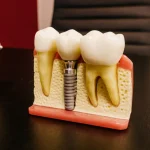
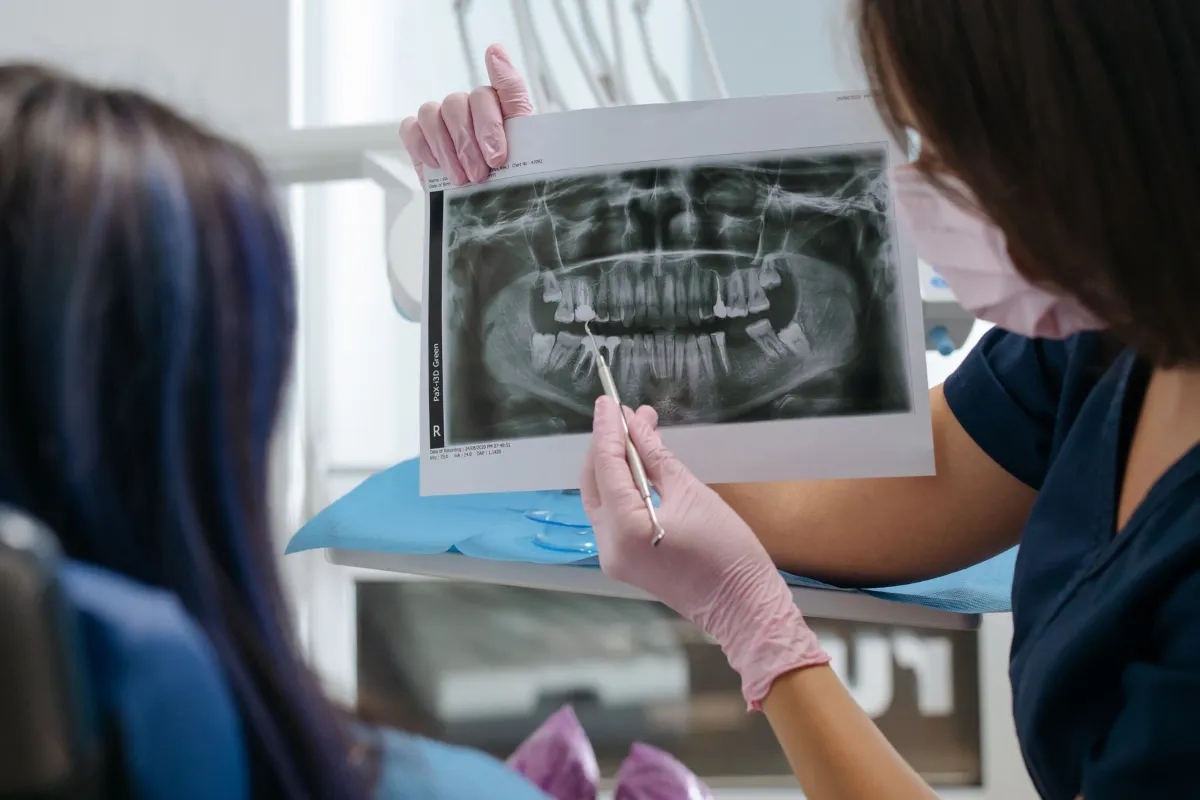
Losing a tooth can affect more than your smile. Over time, the jawbone in the area where the tooth was lost may become thinner because it no longer receives the same pressure from chewing. If the tooth has been missing for several years, there may not be enough bone to safely support a dental implant. A dentist in Kelowna can examine the area and check whether the jawbone has enough width and height for implant placement.
A thin jawbone does not always mean a dental implant is impossible. Ridge augmentation is a treatment that adds bone or helps rebuild the lost bone so the area may better support an implant. The need for this treatment depends on the amount of bone remaining, the location of the missing tooth, and the condition of the gums. An examination and dental imaging can help determine whether ridge augmentation is needed before moving forward.
Why Does the Lower Jaw Become Thin After Tooth Loss?
The jawbone needs regular pressure from the tooth root to help maintain its shape. After a tooth is removed or lost, the bone in that area begins to change. This process can continue over time, although the amount of bone loss varies from person to person.
Common causes of bone loss include:
- Lack of pressure from the tooth root: When a tooth is missing, the bone no longer gets the pressure from chewing that helps keep it strong.
- Gum disease: Severe gum disease can damage the bone that supports the teeth.
- Injury or infection: Damage around the lost tooth may affect the remaining bone.
- Time since tooth loss: Bone changes can continue for months or years after a tooth is lost.
A dentist near you can assess the remaining bone and discuss suitable options for replacing the missing tooth.
What Is Ridge Augmentation?
Ridge augmentation is a procedure that rebuilds part of the jawbone where bone has been lost. The ridge is the raised area of bone that supports the teeth. If it becomes too narrow or low, there may not be enough space or support for an implant.
During ridge augmentation in Kelowna, bone graft material may be placed in the area to be rebuilt. The material may come from your own body, a donor source, an animal source, or a synthetic material. The choice depends on your needs and the treatment plan.
The gum tissue is then closed over the treated area so it can heal. Over time, the graft may help form or support new bone. Healing takes several months in many cases, but the exact time depends on the size of the graft and your individual healing process.
Is Ridge Augmentation Always Needed Before an Implant?
No. A thin jawbone does not automatically mean you need ridge augmentation. Some implant cases can be managed without a separate bone-building procedure, depending on the available bone and the planned implant position.
Ridge augmentation may be considered when:
- The jawbone is too narrow to hold the planned implant.
- Bone height or width has been reduced after years without a tooth.
- The bone needs extra support for the implant to remain stable.
- The ridge shape needs to be rebuilt for the planned tooth replacement.
A dentist in Kelowna can review dental images and explain whether a bone graft, another treatment approach, or implant placement without grafting may be suitable.
What Happens During Ridge Augmentation?
The steps depend on how much bone is missing and where the graft is needed. In general, treatment may include:
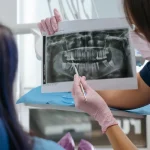
- Examination and planning: The teeth, gums, and jawbone are assessed. Dental X-rays or a 3D scan may be used when needed.
- Preparing the area: The treatment area is numbed with a local anaesthetic.
- Placing the graft: Bone graft material is added where more bone is needed.
- Allowing healing: The gum is closed, and the area is given time to heal.
- Checking implant readiness: The bone is reassessed before implant placement, either after healing or as part of a combined treatment plan when appropriate.
Not every patient follows the same timeline. The size and location of the graft help determine when an implant can be placed.
How Can You Care for the Area After Treatment?
Following the dentist’s instructions can help support healing after ridge augmentation. Care may include:
- Eating soft foods for the period advised.
- Avoiding pressure on the treated area while chewing.
- Keeping the mouth clean as instructed.
- Avoiding smoking, which can interfere with healing.
- Attending follow-up visits to check the graft.
Contact a dentist near you if pain or swelling worsens rather than improves, or if you notice fever, persistent bleeding, or other unexpected symptoms.
Take the First Step Toward Replacing Your Missing Tooth!
A thin jawbone does not always mean a dental implant is out of reach. Acorn Dental can evaluate the area, explain whether ridge augmentation may help, and guide you through the treatment options based on your needs. Book your appointment to discuss a suitable plan to rebuild the bone and move forward with tooth replacement.
FAQS
Can a jawbone become too thin for a dental implant?
Yes. If there is insufficient bone to support an implant in the planned position, bone grafting or another treatment approach may be necessary.
Can ridge augmentation help if the tooth has been missing for years?
Yes. Ridge augmentation may rebuild areas of bone that have become thin over time. An examination is needed to determine whether it is suitable.
Is ridge augmentation done on the lower jaw?
Yes. It can be used to rebuild parts of the lower jaw when bone loss affects the area planned for an implant.
How long does it take to get an implant after ridge augmentation?
Healing often takes several months, but the timeline varies with the amount of bone grafted, the location, and individual healing. The area must be ready before implant placement.